


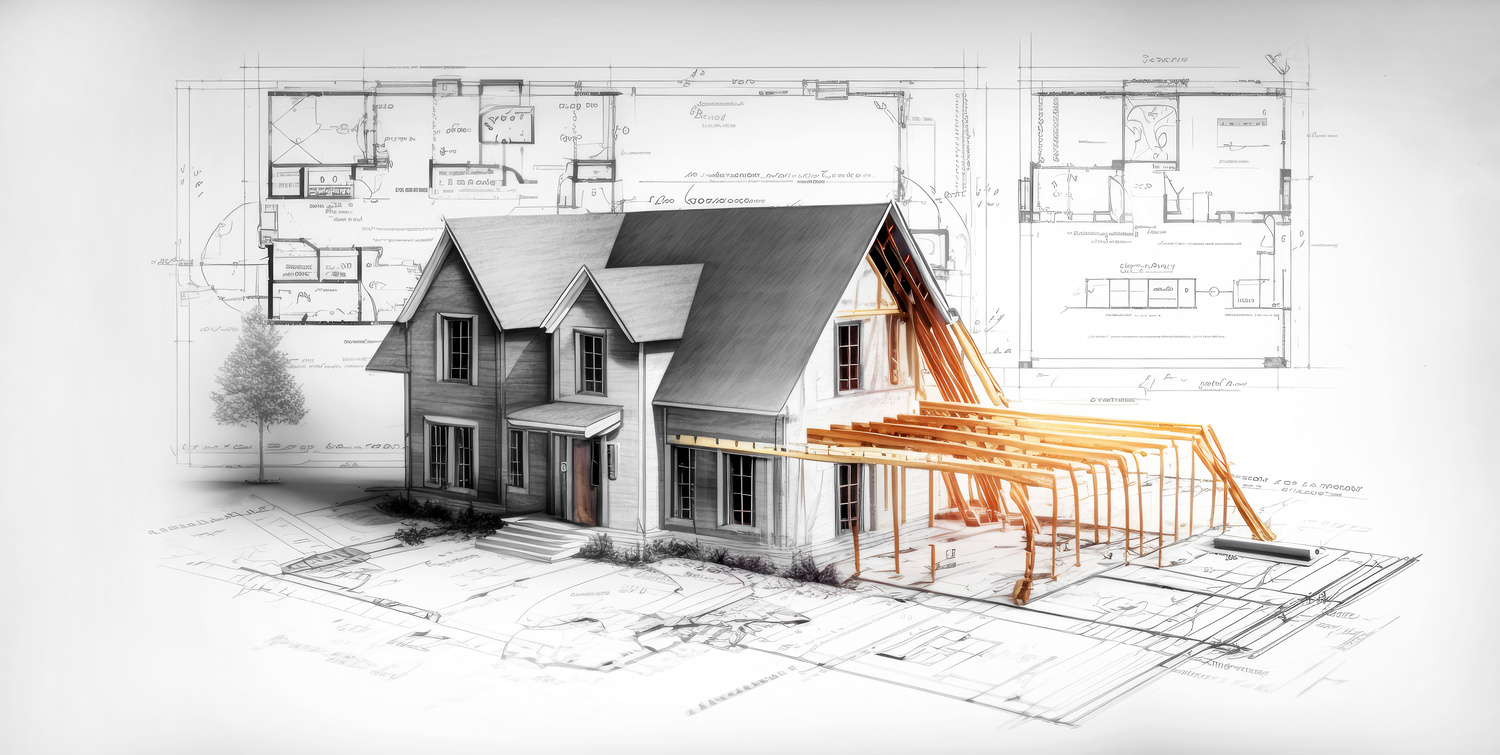
When planning to build on your land or develop a property for your dream home, the people at Jamestown Estate Homes say that the first step is honestly assessing your household’s needs. Clearly defining needs and wish lists will inform smart design.
Choose the Right Spot
Survey your land parcel and identify the most optimal spot to position the house. Factor in setback minimums from property lines, surrounding trees that may fall, prevailing winds, views of natural features and sun orientation. Sunny southern exposure allows daylight and passive solar warmth in colder climates. Shade cooling becomes more important in hot regions. Situate the floor plan to maximize natural light and ventilation through windows. Consider likely outdoor living areas for patio, deck, pool when identifying the best residential site.
Design an Efficient Layout
Hire an architectural design professional to develop the most efficient floor plan to meet your spatial needs and lifestyle priorities. Have them tailor the layout to maximize room dimensions, functionality, flow between areas and visual connectedness between rooms. Strategize storage solutions and multi-use spaces rather than narrowly defined single-use rooms.
Design for Universal Access
While no one expects mobility limitations early on, odds are high that over decades of living, you or loved ones may experience temporary or permanent disability challenges at some point. Design opportunities exist to integrate subtle universal access features seamlessly into conventional homes. At minimum have a bedroom, kitchen and some toilets on the main living floor. Include blocking reinforcements in walls for future grab bars. Thinking ahead allows everyone aging in place comfortably.
Right-Size Systems Capacity
When building new, proactively plan for expected near-future needs by right-sizing system capacities. Estimate potential household occupancy counting kids and in-laws a few years down the line. Install more potable water line volume for additional bathrooms later. Oversize the HVAC system slightly for planned finished basement or converted attic spaces; run conduits where future electric vehicle chargers can tap into the grid; put in 200-amp electrical panels even if 150 amps are currently adequate. Building core system margins into initial construction saves substantial costs down the road for growing families.
Orient for Solar Access
If the site gets plenty of sun, plan the roof and property layout to make it easy to install solar panels or hot water heaters later on. Plan for sufficient roof load capacity and discrete conduit runs from the outset to prevent the need for and expense of later retrofits. Even if you don’t plan to install solar panels immediately, incorporating structural provisions now keeps your options open for future sustainability upgrades.
Future-Proof Amenities
Building new offers the best opportunity to integrate features that support modern connected living and home automation. Install wiring for cameras, sensors, lighting controls, multi-room audio, and other low-voltage systems. Upgrade your showers with smart tub surrounds and higher-voltage outlets for a luxurious, tech-savvy experience. Proactively enabling infrastructure where possible eases modern integration down the road.
Leverage the Property
For maximum lifestyle enjoyment and financial leverage, make the most of your entire land parcel when building a new home. Outdoor sheds become workshop spaces or guest cottages later. Plan driving access, parking flow and garages for possible ancillary dwelling units accommodating multi-generational families. Site the home keeping future subdivisions in mind for continuity yet independence.
Conclusion
The commitment to building a custom home is significant, affecting future decades. Careful planning now, considering current and future needs, site conditions, and system capabilities, will ensure a comfortable and adaptable space for years to come. Your home is more than just a place to live; it’s a dynamic hub that improves your family’s life and relationships.