


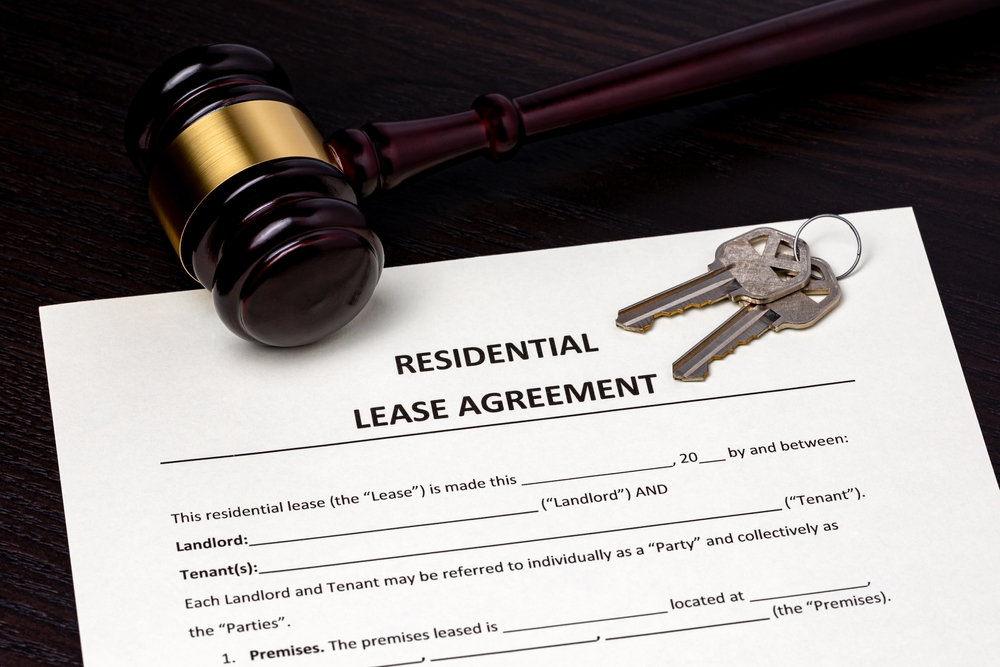
Creating a clear and reliable lease agreement is one of the most important steps when renting out a property. A lease agreement template can make the process much easier because it provides a ready-made structure that already includes the most important sections. Whether you are a landlord renting out a house or apartment, or a tenant preparing to move in, the best lease agreement template helps both sides understand their rights and responsibilities.
Many rental problems happen when agreements are rushed or missing important details. A carefully prepared lease agreement explains the rules, protects the property, and helps prevent misunderstandings during the rental period. When both parties clearly understand the terms from the beginning, the rental experience becomes smoother and more professional.
Below is a simple guide to understanding lease agreements and how to create one step by step.
Understanding Lease Agreements and Why They Matter
Before writing a lease agreement, it is helpful to understand what the document is and why it plays such an important role in the rental process.
What Is a Lease Agreement?
A lease agreement is a legal document that creates a contract between a landlord and a tenant. It explains the terms and conditions of renting a property for a specific period of time. Unlike short-term rental arrangements, lease agreements are usually used for longer stays.
Lease agreements can apply to many types of properties, including residential homes, apartments, and commercial spaces such as offices or stores.
Although each agreement may be slightly different, most lease agreements include the following details:
- The amount of rent that must be paid
- A description of the property being rented
- The length of the lease period
- Rules for ending the agreement early
- Conditions for renewing the lease
When the lease period ends, the tenant often has the option to renew the agreement if both the landlord and tenant agree to continue the arrangement.
Why Lease Agreements Are Important for Landlords and Tenants
A lease agreement protects both parties involved in the rental relationship.
For landlords, having a written agreement helps protect their property and rental income. In some locations, a written agreement may also be required by law. Without proper documentation, landlords may face several problems such as:
- Loss of rental payments
- Repair costs due to damage to the property
- Legal responsibility if illegal activities take place in the rental unit
For tenants, renting a home can sometimes feel stressful. They want to understand exactly what they are agreeing to before moving in. A lease agreement helps provide that clarity. It usually explains:
- The responsibilities of the tenant
- Whether pets are allowed in the property
- If insurance is required before moving in
- The rent amount and payment schedule
By clearly outlining these details, both landlords and tenants can avoid confusion later.
How to Create a Lease Agreement Step by Step
Writing a lease agreement may seem complicated, but the process becomes easier when you follow a clear structure.
Step 1: Plan the Structure of the Agreement
The first step is to outline the main sections of your lease agreement. Planning helps ensure that important information is not forgotten.
A basic lease agreement typically includes sections such as:
- Names of the landlord and tenant
- Details about the property
- Responsibilities of the tenant
- Responsibilities of the landlord
- The duration of the lease
- Rules for ending the agreement
- Information about utilities and services
Using a lease agreement template can be very helpful at this stage because it already provides these sections and helps organize the document.
Step 2: Add Clear Clauses and Conditions
After creating the structure, the next step is to write specific clauses under each section. These clauses explain the rules and conditions of the rental agreement.
Some common clauses include:
- Rent payment schedule and method
- Security deposit details
- Maintenance and repair responsibilities
- Rules about property use
Each clause should be written in clear and simple language so both parties understand the terms. In many cases, it is also helpful to have a legal professional review the document to ensure the terms follow the law.
Step 3: Check Local Laws and Regulations
Rental laws can vary depending on the location. Some rules that seem reasonable might not be allowed under local regulations.
Because of this, it is important to review the lease agreement and make sure it follows the laws in your area. This step helps protect both the landlord and the tenant from legal problems in the future.
If you are unsure about certain requirements, consulting a legal professional or property expert can provide helpful guidance.
Step 4: Review and Finalize the Document
Once all sections and clauses are written, take time to review the entire agreement carefully.
Check that:
- All necessary information is included
- The terms are clear and easy to understand
- Both parties agree with the conditions
After the review process, the final step is adding signature lines and dates. Many landlords and tenants now choose to sign agreements online, which makes the process faster and more convenient.
Conclusion
A well-prepared lease agreement is an important part of any rental arrangement. It helps landlords protect their property and income while giving tenants a clear understanding of their responsibilities and rights. When both sides know the rules from the beginning, the chances of conflict or confusion become much lower.
Using a lease agreement template can make the entire process faster and easier. Templates provide a strong starting point and ensure that key details are not overlooked. With careful planning, clear clauses, and proper review, landlords and tenants can create a reliable lease agreement that supports a positive and secure rental experience.