


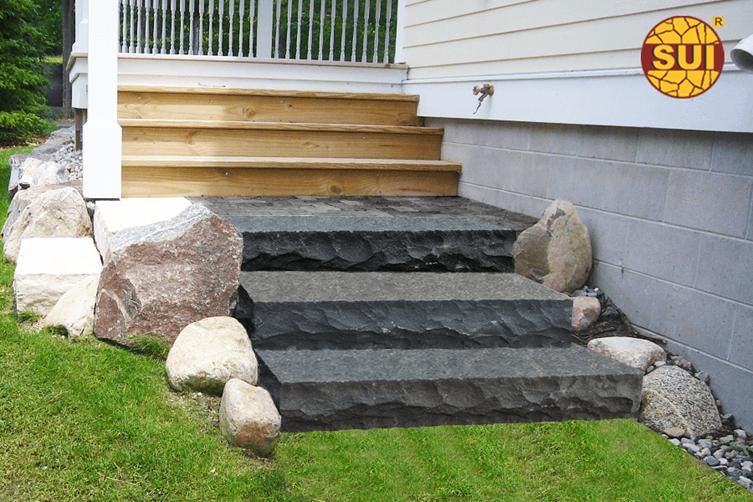
Natural stone is easily one of the most beautiful additions you can make to your home’s exterior. Whether you have chosen granite, limestone, or sandstone, outdoor stone steps provide a level of class and durability that other materials simply cannot match. They create a grand entrance, bridge the gap between your garden levels, and stand strong against the elements. However, because these steps are outside 24/7, they eventually collect their fair share of dust, mud, and seasonal grime.
If you want your entryway to stay as stunning as the day you install it, you need a solid cleaning routine. The good news? You don’t need a professional cleaning crew or a warehouse full of chemicals to keep your stone looking fresh. With a little bit of knowledge and the right approach, you can maintain that “new stone” look all year round.
In this guide, we will walk through exactly how to clean your steps effectively without accidentally damaging the material.
The Most Important Rule: Avoid the Acid
Before we get into the “how-to,” we need to address a very common mistake. Many people reach for vinegar or lemon mixture when they want a “natural” cleaner. While these work wonders on glass or stainless steel, they are a nightmare for natural stone.
Most stones, especially limestone, marble, and travertine, are “calcareous.” This means they contain calcium carbonate, which reacts violently with acid. If you use vinegar or lemon mixture , the acid will “etch” the stone, creating dull, white spots that you cannot simply wash away. Even on tougher stones like granite, acidic cleaners can strip away the protective sealer. Stick to pH-neutral cleaners to ensure you are protecting your investment rather than hurting it.
Essential Tools You Need for Cleaning
You don’t need fancy equipment to clean youroutdoor stone steps. Most of these are probably sitting in your garage or kitchen right now:
- A Soft Broom or Leaf Blower: You always want to start with a dry surface.
- A Large Bucket: For mixing your cleaning solution.
- Warm Water: Heat helps break down grease and grime much faster than cold water.
- pH-Neutral Stone Soap: You can find these specifically for natural stone, or you can use a very mild, clear dish soap.
- A Soft-Bristled Scrub Brush: Avoid wire brushes or stiff plastic bristles that could scratch the stone’s surface. A “deck brush” with medium-soft bristles is often perfect for thesesteps.
- A Garden Hose: A standard spray nozzle is all you need.
Your Step-by-Step Cleaning Guide
Follow this simple steps cleaning process for the best results:
1. Clear the Deck
Start by removing any pots, decorations, or debris from your outdoor stone steps. Use your broom or leaf blower to clear away loose dirt, twigs, and dry leaves. If you apply water to a dirty step, you’ll just create a layer of mud that makes your job twice as hard.
2. The Pre-Rinse
Spray your Steps with a garden hose. This initial rinse washes away the fine dust and saturates the stone. By wetting the stone first, you prevent the soapy water from soaking too deeply into the pores, which makes it easier to rinse away later.
3. Mix and Scrub
Fill your bucket with warm water and add a small amount of your pH-neutral cleaner. Dip your scrub brush into the solution and start at the top step. Work your way down so that the dirty water always flows toward the steps you haven’t cleaned yet. Scrub in gentle, circular motions, paying extra attention to the corners and the “risers” (the vertical part of the step).
4. Rinse Thoroughly
Don’t let the soap dry on the stone! Once you have scrubbed a few steps, rinse them immediately with the hose. Keep rinsing until the water runs completely clear and you see no more bubbles. Any soap left behind can create a dull film that actually attracts more dirt in the future.
How to Deal with Tougher Stains
Sometimes, basic soap and water are not enough for the “tough stains” like rust or oil.
- For Algae and Moss: If you see green patches, mix a solution of one part liquid oxygen bleach (not chlorine bleach) with ten parts water. Apply it, let it sit for ten minutes, scrub, and rinse. This kills the spores without the harshness of standard bleach.
- For Oil Stains: If a stray grease drop from a BBQ lands on your steps, don’t panic. Create a “poultice” by mixing baking soda with a little bit of water to form a thick paste. Spread it over the stain, cover it with plastic wrap, and let it sit for 24 hours. The baking soda will “pull” the oil out of the stone.
- For Rust: Rust often comes from metal furniture or fertilizer. These are tricky because rust removers are often acidic. Look for a “non-acidic rust remover” specifically labeled for natural stone.
The Secret to Long-Lasting Beauty: Sealing
If you want to make your cleaning routine even easier, you should consider sealing your outdoor stone steps. A high-quality “impregnating sealer” sits just below the surface of the stone and blocks the pores. It doesn’t change the color of the stone, but it makes it much harder for water and oil to soak in.
Most experts recommend resealing your outdoor stone every two to five years, depending on the weather and how much foot traffic the steps receive. A simple test is to pour a little water on a dry step; if it beads up like water on a freshly waxed car, your seal is strong. If the stone darkens and soaks up the water, it is time for a new coat.
Final Thoughts
Your natural stone steps are a long-term investment in your home’s curb appeal. By using simple tools and avoiding harsh acids, you can keep them looking as beautiful as the day they were installed. A little bit of care goes a long way in preserving the natural colors and texture of the earth.
When you want the best quality for your project, Stone Universe Inc (SUI Stone) is the perfect choice. They offer a wide range of beautiful , durable natural stone products that stand the test of time. Transform your home today with the elegantoutdoor stone steps and high-quality stone collections from SUI Stone.